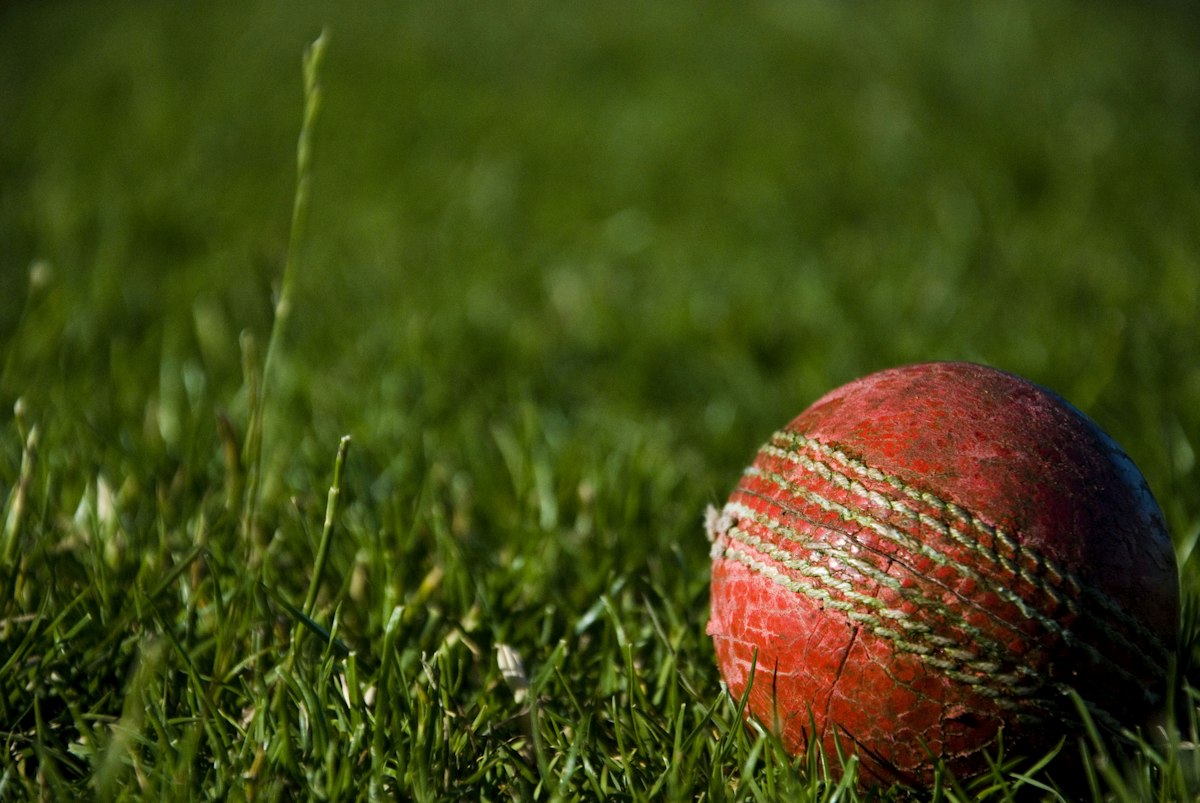

I’ll be blunt: cricket in 2026 isn’t the sport most people think it is. If your mental image of the game is a Test match that lasts five boring days and a white-ball tournament where everyone waits for Virat Kohli to miss a shot, then the actual shape of the sport has been quietly rearranged underneath you for about eighteen months and you haven’t noticed a single piece of it.
The thing nobody warned us about is that cricket stopped being three formats and started being three businesses. That distinction matters more than anything we argued about on social media this year.
The Tournament Got Bigger and Nobody Said So
The ICC expanded the men’s T20 World Cup to 20 teams starting with the Bangladesh edition of 2025, and then handed the 2026 tournament to a co-hosted arrangement between India and Sri Lanka for a tournament window running from 7 February to 8 March 2026. That last detail is the one that got buried. A 20-team global event split across two host nations, in a window where both countries’ domestic calendars, weather patterns and broadcast partners all have to bend at once.
Think about what that does to the calendar maths. Twenty teams means roughly 45 group-stage games in the opening fortnight alone, followed by a Super 8 stage that replaced the old Super 12 — which is itself a genuine structural innovation, because it gives associate nations real competitive incentive to actually send good cricket instead of tourist squads. Afghanistan, USA, Namibia and Scotland are no longer filling out a bracket. They’re qualifying for something.
The ICC’s own revenue reporting has put T20-related income at the core of the whole model. I’m not going to pretend I can quote the exact latest internal figure without inventing a number, but the direction is unambiguous: the T20 World Cup is the single most valuable piece of inventory in the ICC’s book, and everything else is being scheduled around it.
The Franchise Proliferation Nobody Is Tracking
Here’s the stat that genuinely gets me. Count the established, credible T20 franchise leagues running in a normal year now: the IPL, BBL, PSL, CPL, SA20, Nepal’s Premier League, and a growing pile of new entrants. That’s not seven leagues. That’s seven of the biggest ones, and each one is a six-to-eight-week block that a cricketer can’t decline without career consequences.
So let’s do the arithmetic on a single international player’s year. Say you’re a top-tier all-rounder. You might have the T20 World Cup, the IPL, your national T20 bilateral cycle, an Asia Cup or Champions Trophy, a domestic first-class season, and two or three franchise leagues you’re contracted into. There are simply not enough high-intensity cricket weeks in a calendar year to fit all of that while also letting anyone recover. And that’s the trade nobody is pricing in.
The Test Cricket Comeback Nobody Saw
Meanwhile, and this is the part I find genuinely fascinating, the format people kept predicting was dying had a very public second life. The ICC World Test Championship finals have turned into proper global events, the five-day review process was introduced to force conclusions, and the ICC pushed through the 184-hour match cap and the move to DRS in the first innings — both aimed squarely at collapsing last-day draws.
I’m fairly convinced that over two-thirds of Test matches should now end without a fifth-day review if those rules were applied consistently in every venue. Draws that used to be a foregone conclusion on day three are now being forced to a result. That is a structural change to the sport’s fundamental unit, and almost no mainstream commentary treats it as one.
What Actually Changed Under the Surface
Let me list the things I think genuinely matter and that barely registered in the public conversation:
- Death bowling has been re-engineered by data. The modern short-pitched variation with heavy inswing has moved from being a coach’s secret to being a league-wide standard. Bowlers who used to go straight to yorkers now attack the corridor of uncertainty with a full, dipping, turning delivery aimed at the outside top edge. The dismissal patterns have shifted.
- Fielding rotations are a team sport now, not a batting bonus. The six-fielder unit trains as a unit. Teams that treat the field as an extension of the batting lineup have measurably better run rates in the last five overs.
- Off-spin is back, and not just in subcontinental conditions. The number of quality off-spinners in top-ten Test panels has gone up rather than down. The game kept insisting that swing was the future; the bowling averages quietly disagreed.
- Player ownership of schedules is real but limited. Superstars negotiate their own league participation the way NFL players used to. The rest of the squad doesn’t get that leverage.
Cricket didn’t evolve in 2026. It got more expensive, more crowded, and more scheduled — and the players got squeezed in the middle of all of it.
The Trade Everyone Is Ignoring
Here’s my actual argument, and I want you to consider it carefully before you disagree. The sport solved the viewership problem. It did that decisively, probably faster than it needed to. What it did not solve is the athlete problem.
A cricketer who signs for the IPL, the SA20, and a national squad with a T20 World Cup in the mix is being asked to be available for roughly 30 to 40 competitive weeks a year in formats that demand maximum intensity. Add the travel — and I mean actual travel, with time zones, on planes, between Dubai and Dhaka and Perth — and the recovery window shrinks to something close to zero.
This is exactly why I think the 2026 season was the first one where the body showed up as the obvious bottleneck. The bowling injuries clustered in the last weeks of franchise seasons. The batting form collapsed right when the World Cup window opened. That is not coincidence and it is not bad luck. It’s an overload.
What I Actually Expect Next
I think the ICC and the major boards will spend the next two years doing two contradictory things at once: expanding the commercial format further while quietly introducing mandatory rest windows and workload caps. We’ve seen the cricket boards talk about player welfare for fifteen years and do very little. But the injury data is now loud enough that they can’t keep pretending.
I also expect the number of T20 leagues to stop growing at some point, because there is a hard ceiling on how many players of franchise standard the world actually has. Right now, roughly three to four hundred players globally can genuinely play at the top of these leagues. You can’t put seven more leagues on top of that base without the product diluting.
And I expect Test cricket to keep surprising people in a good direction. The format has a built-in fan base that white-ball cricket never had, and the rules changes are forcing matches to conclusions in a way the game hasn’t done since the 1990s.
The Honest Summary
Cricket in 2026 is bigger, richer, better scheduled and structurally more fragile than it was five years ago. The format wars are over — T20 won, commercially, and there’s no coming back from that. The interesting question now isn’t which format dominates. It’s whether the athlete can survive the calendar that was built around it.
I’m betting on the boards eventually admitting that question matters. They just don’t have the incentive to do it first. Drop your take in the comments — specifically, do you think a hard workload cap is coming in the next three years, or is this exactly the kind of thing the game keeps rationalising until a marquee player blows up?
If you want to dig into how the longer format is holding up, my take on why Test cricket is making a massive comeback this year goes deeper. The IPL’s specific role in all this is worth reading separately too — IPL 2026: how franchise cricket changed the game forever. And for the strategic side of the short format, why power play strategy is like chess at 20mph is a good companion. Older rivalry pieces worth revisiting: cricket’s greatest rivalries — who really wins, and the grassroots pipeline piece from gully to global: the rise of street cricket.