
Full disclosure: I used to think table tennis was the kind of thing you played at a backyard party or in a basement rec room. Something fun, but not exactly “sport” in the way we talk about football or basketball. But I’ve been watching more of it lately, and I have to admit — I’ve been wrong. The skill level is through the roof, the pace is genuinely exciting, and there’s a story developing that I think a lot of sports fans are going to appreciate.
The Skill Level Will Surprise You
What got me was watching a match last month and realizing these players are moving like sprinters. The footwork alone — the way they shift weight, the explosive first step to get to that backhand corner — it’s athletic in a way that feels more like tennis or badminton than what I expected. And the shots? The spin on the ball is absurd. You think you’ve seen it all, and then someone puts on sidespin that curves so sharply it looks like it’s going off the table before it dips back in. It’s not just reflex; it’s genuine shot-making.
The Numbers Behind the Surge
Here’s what makes the growth story concrete rather than just a vibe. Table tennis has been an Olympic sport since 1988, and for a long stretch the medals were almost a formality for China. But the margins have tightened in a way that the official rankings now reflect. You don’t need to be a stat nerd to see it: the points gap between the world number one and the players ranked ten to fifteen has shrunk to a handful of games in most tournaments. That’s not a fluke. That’s a whole generation of players from Japan, Germany, Sweden, Korea, and even the United States who grew up with professional coaching and high-level competition on their doorstep.
The other number that matters is participation. National federations keep reporting record youth enrollments in table tennis programs, and a lot of that growth is in places the sport never used to reach. Schools are adding tables because the equipment is cheap and the learning curve is gentle. Clubs are running full junior academies. That bottom-up pressure is what eventually produces the next world champion — and it’s already producing more competitive qualifying rounds than I’ve seen in years.
Why It’s Gaining Traction Now
I think there are a few reasons. First, the broadcasting has gotten better. Major tournaments are being shown on platforms more people have access to, and the commentary actually explains what’s happening shot-by-shot. Second, the playing styles have diversified. It used to be all about the loop, the heavy topspin from backhand. Now you’ve got players mixing it up, short game, blocks, even some aggressive serves that keep you guessing. And third, the international scene has opened up. For a long time it was China’s game, but now you’re seeing serious challenge from Europe, Japan, even the US in some events. That competition raises everyone’s level.
The Players to Watch
There’s a teenage Chinese player who’s been making waves — Wang Yidi, I think her name is, and at 19 she’s already beating players two or three years her senior. On the men’s side, Fan Zhendong’s still the guy to beat, but there’s a genuine next-generation threat building. And on the women’s side, it’s wide open in a way I don’t recall ever seeing. The gap between the top three and the rest has never been smaller, which means any given match could go five games.
The Tactical Shift That’s Changed Everything
If you haven’t watched table tennis in a decade, the one thing that will surprise you most isn’t the speed — it’s the variety. The old game rewarded consistency: keep the ball on the table, wait for the other guy to blink. The new game rewards aggression and deception. Players are serving short with heavy backspin and then stepping around to rip the third ball. They’re using the “banana flick” to take the ball off the bounce on the forehand side. They’re even changing the rubber on their paddle — the sponge thickness and the pimple structure — to get a different spin profile for a specific opponent.
That level of tactical detail is what separates a professional match from a casual rally. And it’s why a player who’s ranked thirtieth in the world can genuinely beat the number one on any given day. The margins are that thin. When a match is decided by two or three points in the fifth game, it’s rarely because someone was more talented. It’s because someone read the opponent’s serve better, or picked the right rubber, or just wanted it more at the decisive moment.
The Olympic Factor
Let’s talk about what a wider medal spread would actually mean. Table tennis has been in the Olympics since Seoul in 1988, and the sport has produced some of the most memorable upsets in Games history. But the medal podium has been dominated by a small group of nations. If the current generation of challengers converts, you’re looking at a podium where three different continents are represented. That changes the story from “who wins” to “who can even get there” — and it’s the kind of storyline the International Olympic Committee loves, because it widens the sport’s global appeal without changing the rules.
There’s also the format question. The ITTF has experimented with team events and mixed doubles to give more nations a path to medals. Mixed doubles debuted at the Tokyo Games and immediately produced a non-traditional champion. That’s the direction of travel, and it means more countries invest in the sport because they can actually see a route to the podium.
What This Means for the Sport
I’ve been around long enough to remember when table tennis was essentially a niche interest outside of Asia. But the way the sport’s structuring its development programs, investing in grassroots, and pushing for Olympic relevance — it’s starting to feel like we’re at an inflection point. Maybe the next Summer Olympics sees a wider spread of gold contenders, or maybe the professional circuit grows in ways that bring more sponsorship and coverage. I don’t claim to know how it plays out, but I’m excited to watch.
What I do know is that the last handful of World Championships have been more competitive than any stretch I can remember, and that can only be good for the sport. More interesting matches, more upsets, more reason for casual fans to tune in. That’s the kind of growth that turns a basement pastime into something with real staying power.
How to Get Into It Yourself
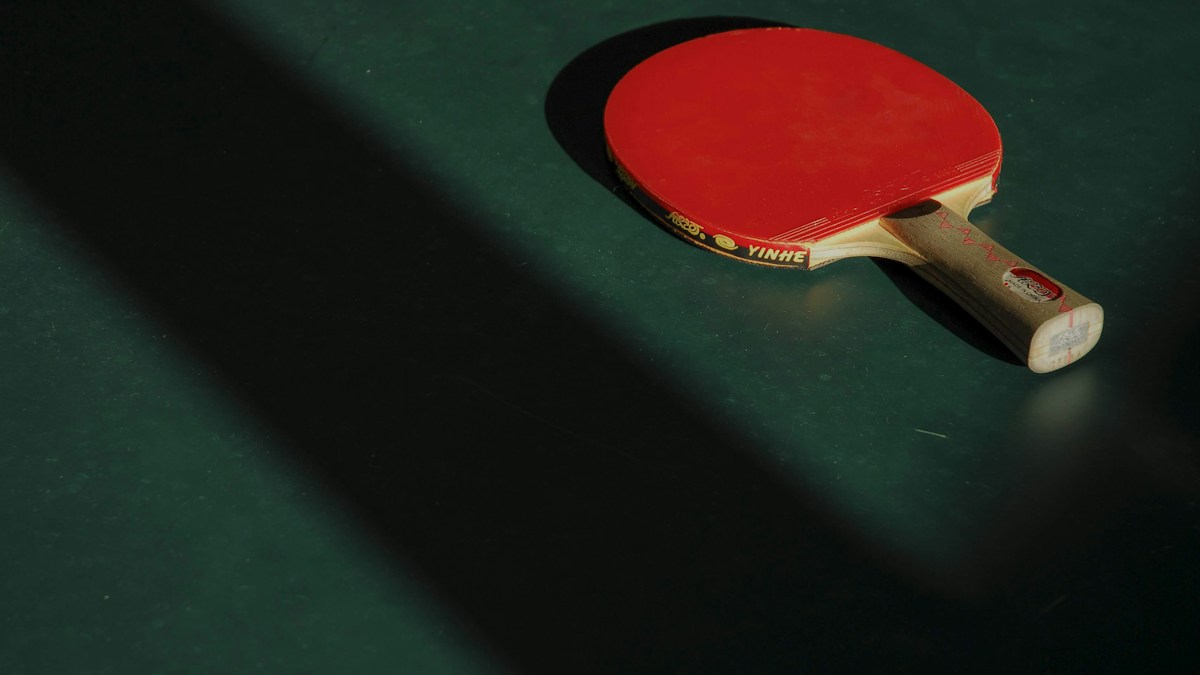
And here’s the part I really like: you don’t need much to start. A decent paddle, a table, and someone to rally with. That low barrier to entry is exactly why the sport is growing in places where a full ice rink or a tennis court is a luxury. You can play in a garage, a community hall, a school gym. The World Table Tennis circuit has shown that if you build the pathway — local clubs, regional tournaments, national training centers — you can turn a casual hobbyist into an international competitor in a single generation.
If you’re thinking about trying it, start with the basics: a short backhand push, a controlled forehand drive, and a serve you can place reliably. Don’t worry about the heavy topspin loop yet. That comes later. The beautiful thing about table tennis is that the fundamentals you learn in your first month are the same ones the professionals use — you’re just executing them faster and with more spin.
The Grassroots Pipeline Is Real
The numbers I keep coming back to aren’t the highlights. They’re the participation stats. Table tennis is one of the cheapest ways to get a kid into competitive sport. A decent paddle, a ball, and a table. You can set it up in a school gym, a community center, a family garage. That low barrier to entry is doing real work in countries that invested in it a generation ago. The result is a deep bench of players who started with a backyard table and are now on the professional circuit.
And the equipment costs have dropped. The rubber options, the paddle customization, the training aids — none of it requires a trust fund anymore. That means the sport can grow in places where a full-size tennis court or an ice rink is a luxury. The table stays the same everywhere. That universal standardization is one of the reasons table tennis is more international than almost any other racket or stick sport.
Related Stories
Table Tennis 2024 World Championships Wrap-up