What you eat before, during and after training can be the difference between a plateau and a personal best. This guide breaks down sports nutrition with evidence-based advice from the World Health Organization, the NHS and leading sports-science bodies.
Why Nutrition Matters for Athletes
Training hard is only half the battle. The food you put in your body fuels performance, drives recovery and shapes how your muscles adapt to the work you do in the gym. Poor nutrition can undo the benefits of excellent training — while smart eating can amplify them.
The science is clear: carbohydrate is the body’s preferred fuel for high-intensity exercise, protein provides the building blocks for muscle repair, and fat supports hormone function and long-duration energy. Getting the balance right, and timing it around your sessions, is what separates casual gym-goers from serious athletes.
The Three Macronutrients Explained
Carbohydrates: Your Primary Fuel
Carbohydrates are stored in the muscles and liver as glycogen — the body’s most accessible energy reserve. During moderate-to-high intensity exercise, glycogen is the main fuel source, which is why endurance athletes “carb-load” before big events and why even strength athletes need a steady daily intake of carbs.
Good sources: whole grains (oats, brown rice, wholemeal bread), fruit, vegetables and legumes. For training sessions lasting over an hour, a carbohydrate-rich meal 2–3 hours beforehand — and a quick carb top-up (banana, sports drink) during — can maintain performance when glycogen runs low.
Protein: The Building Block
The National Academy of Medicine recommends that adults get a minimum of 0.8 grams of protein per kilogram of body weight per day — for a 70 kg person, that is about 56 grams. But athletes and people training regularly need more. Sports-science bodies generally recommend 1.2 to 2.0 grams per kilogram per day for active individuals, depending on training volume and goals.
Quality matters as much as quantity. Complete proteins — found in eggs, dairy, meat, fish, soy and quinoa — contain all essential amino acids. Spread intake across the day in 20–40 gram doses per meal, with a portion within a couple of hours after training to kick-start muscle repair.
Fats: Essential, Not Optional
The World Health Organization emphasizes that the quality of dietary fat matters more than the quantity. Unsaturated fats — found in fish, avocado, nuts, and olive, sunflower and canola oils — are preferable to saturated fats from fatty meat, butter and processed foods.
Fats support hormone production (including testosterone, critical for muscle growth), absorb fat-soluble vitamins and provide energy for long, low-intensity exercise. Around 20–35 per cent of daily energy from fats is a sensible target for most athletes.
What the WHO Says About a Healthy Diet
The World Health Organization’s healthy-diet guidance applies to athletes and non-athletes alike, and gives useful guardrails:
- At least 400 grams (five portions) of fruit and vegetables per day — excluding potatoes, sweet potatoes and other starchy roots
- Free sugars below 10 per cent of daily energy — about 50 grams (12 teaspoons) on a 2,000-calorie diet
- Salt below 5 grams per day (about one teaspoon, or 2 grams of sodium)
- Saturated fats limited, with unsaturated fats preferred
For context, a typical 500 ml bottle of sugary soft drink contains around 50 grams of sugar — meaning one drink can use up the entire daily allowance. Reading labels and prioritizing whole, minimally processed foods is the simplest way to stay inside these limits.
Eating Around Your Workout
Before Training (2–3 Hours)
- A balanced meal with carbs + moderate protein + low fat and fibre
- Example: porridge with banana and milk, or rice with chicken and vegetables
- 30–60 minutes before: a light snack like a banana or a slice of toast with honey
During Training (60+ Minutes)
- Water for sessions under an hour
- For long or intense sessions: an electrolyte drink or a handful of dried fruit to maintain energy
- Sip steadily rather than gulping
After Training (Within 2 Hours)
- Protein to repair muscle: 20–40 g (chicken, fish, eggs, Greek yogurt, whey)
- Carbs to replenish glycogen: rice, potatoes, bread, fruit
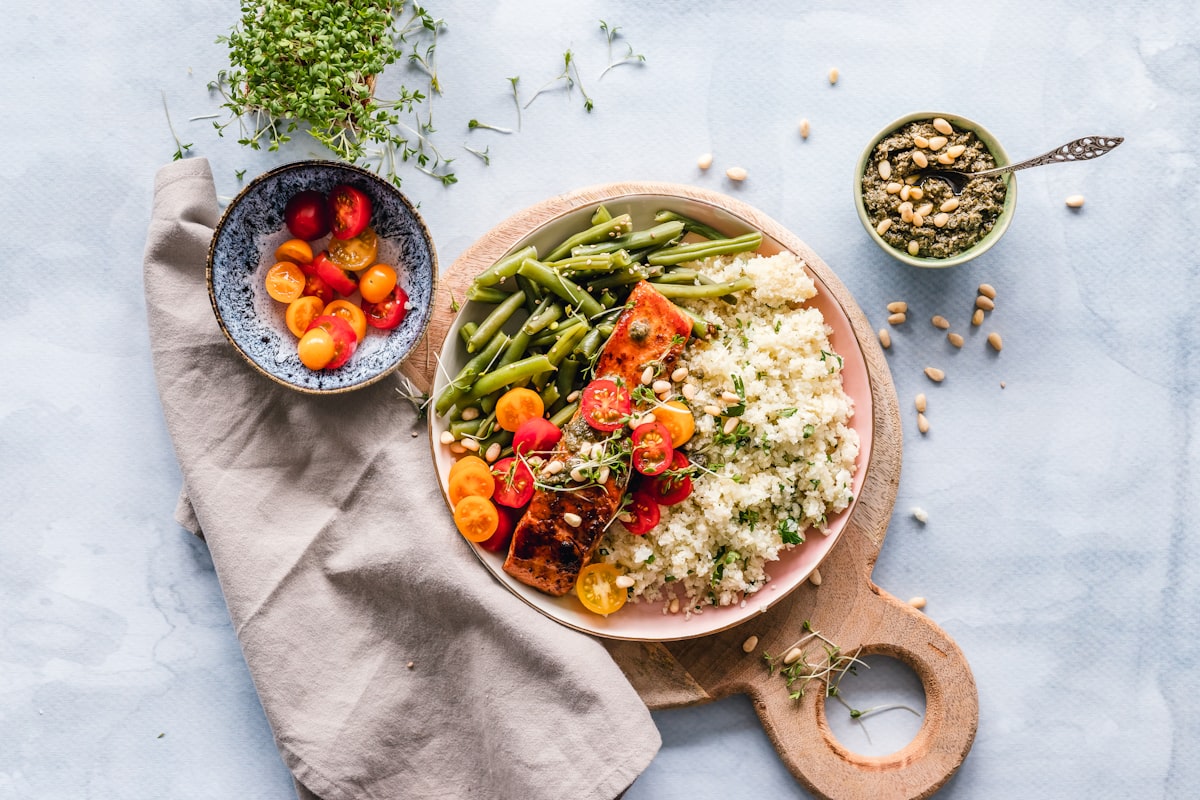
- A recovery meal example: grilled chicken, rice and vegetables, or a protein shake with a banana
Hydration: The Overlooked Performance Factor
Even 2 per cent dehydration can impair exercise performance, reducing endurance, strength and concentration. Thirst is a late signal — by the time you feel thirsty, performance may already be slipping.
Guidelines vary by body size, sweat rate and conditions, but a practical approach: drink water steadily through the day, aim for around 500 ml in the two hours before training, sip during sessions, and replace fluids after based on weight lost during the workout. In hot, humid conditions or sessions over an hour, electrolytes (sodium, potassium) become important — especially in Pakistan’s summer heat.
Supplements: What’s Actually Worth It
Most athletes do not need supplements if their diet is solid. The few with genuine evidence behind them:
- Protein powder (whey/plant) — convenient way to hit daily protein targets, not magic
- Creatine monohydrate — one of the most researched sports supplements; supports strength and power output
- Caffeine — can improve focus and endurance when taken before training
- Vitamin D — worth checking in regions with limited sun exposure; important for bone health and immunity
Everything else — fat burners, test boosters, mystery blends — is largely unproven or unsafe. When in doubt, food first, supplements second.
Practical Meal Plan Template (2,500 kcal)
Breakfast
Porridge made with milk, topped with banana and a spoon of peanut butter, plus an egg.
Lunch
Grilled chicken or chickpea curry with brown rice and a large mixed salad with olive oil.
Pre-Workout Snack
Greek yogurt with honey, or a banana.
Dinner
Fish or lean meat with roasted vegetables and sweet potato.
Key Takeaways
- Carbs fuel performance; protein (1.2–2.0 g/kg for athletes) rebuilds muscle; quality fats support hormones
- Eat at least 400 g of fruit and vegetables daily; keep free sugars under 10% of energy and salt under 5 g
- Time food around training: a carb+protein meal 2–3 hours before, and protein+carbs within 2 hours after
- Hydrate before you feel thirsty — dehydration of just 2% impairs performance
- Food first, supplements second: protein powder, creatine and caffeine have the best evidence